How Movies Were Marketed Before the Internet (And Why It Worked)

Before clicks, cookies, and comment sections, movie marketing relied on patience and presence. Studios had to earn attention without instant feedback or trending hashtags. Stories spread slowly, often through emotion and mystery rather than data. Even tales remembered as little mermaid sad moments traveled far without a single share button. Audiences leaned in differently back then. Anticipation built over weeks, sometimes months. Marketing felt physical, almost theatrical. That slower pace created stronger memories. People showed up curious, not overexposed. Excitement had time to breathe. Silence worked like a drumroll.

Movie Posters Did the Heavy Lifting

Posters once carried the full weight of a film’s promise. A single image had to spark curiosity and signal tone. Designers used color, faces, and symbols with sharp intention. Every inch mattered. These posters lived everywhere. Bus stops, theater walls, street corners, and shop windows carried them proudly. Repetition created familiarity without fatigue. Seeing the same image daily built trust. Familiarity nudged people closer to buying tickets. Posters also became conversation starters. People paused, pointed, and guessed the plot.

Trailers Were Events, Not Background Noise

Trailers played before other movies, not on phones during lunch. People sat and watched because they had nothing else to scroll. A trailer needed rhythm, restraint, and timing. Too much detail ruined the hook. Word spread after the screening ended. Friends talked in parking lots and over dinner. That chatter carried excitement forward. A good trailer-fueled conversation for weeks. Silence between exposures kept interest alive. Anticipation filled the gaps. Imagination did half the work.

Scarcity Made Audiences Pay Attention

Information was limited, and that was a strength. Fewer details created curiosity rather than overload. People filled gaps with imagination. Mystery invited commitment. Release dates mattered more. Miss the opening week, and you waited. That urgency pushed action. Attention was earned, not chased. Waiting built desire. Desire filled theaters.

Press Tours and Print Media Ruled Attention

Actors and directors visited talk shows and newspapers. Interviews felt personal and unscripted. Viewers believed they were seeing the real person. That connection mattered. Magazines gave films long shelf lives. A feature story could circulate for months. Readers lingered on photos and quotes. This slower media cycle allowed stories to sink in. Depth replaced speed. Articles were clipped and shared by hand. Fame traveled page by page.

Merchandising and Tie-Ins Extended the Story

Movies showed up in unexpected places. Cereal boxes, toys, fast food cups, and clothing carried film imagery. These items slipped into daily routines. The movie stayed visible without shouting. Tie-ins worked because they felt playful. Kids begged. Adults smiled. The film became part of life before its release. By opening night, the brand already felt familiar. Memory formed early. Excitement became a habit.

Street Buzz and Word of Mouth Did the Rest

Studios relied on people talking. School hallways, offices, diners, and living rooms became marketing channels. Opinions spread face-to-face. Trust came naturally. A strong story carried itself. One excited voice led to another. Momentum grew without machines tracking it. Buzz felt human. That human spark lasted longer. Old school movie marketing succeeded because it respected attention. It trusted audiences to be curious. It leaned on emotion, repetition, and timing. Those lessons still apply today, even in louder spaces. Sometimes, less noise tells a better story.
restaurant
Crafting a Spanish Restaurant Brand That Guests Remember Long After the Meal

Branding a Spanish restaurant is a whole experience, not a logo on a menu. It’s the energy guests feel the moment they walk in. And yes, your tomato paella and other best-selling menu items play a major role. But strong branding goes deeper and shapes how people think, talk, and rave about your space.

Bold Inspiration: Storytelling That Speaks Your Flavor

If you’re trying to stand out in a crowded food scene, the right approach keeps your restaurant lodged in memory like a catchy tune. Your restaurant’s story is where your brand begins. Spanish cuisine naturally carries emotion, history, and charm, so you already have great material to work with. Share how your approach came to life. Was it sparked by childhood dinners, travels through coastal towns, or a chef’s obsession with perfecting sauces? Let your guests feel that spark. A compelling brand story doesn’t need to sound like a novel. Keep it human and warm. Guests want to connect with people, not corporate jargon. A simple anecdote—maybe involving a family recipe mishap—can make your brand feel real and relatable. Humor helps too; it breaks the ice and keeps your message memorable.

Bold Menu Identity: Turn Signature Dishes Into Icons

reading

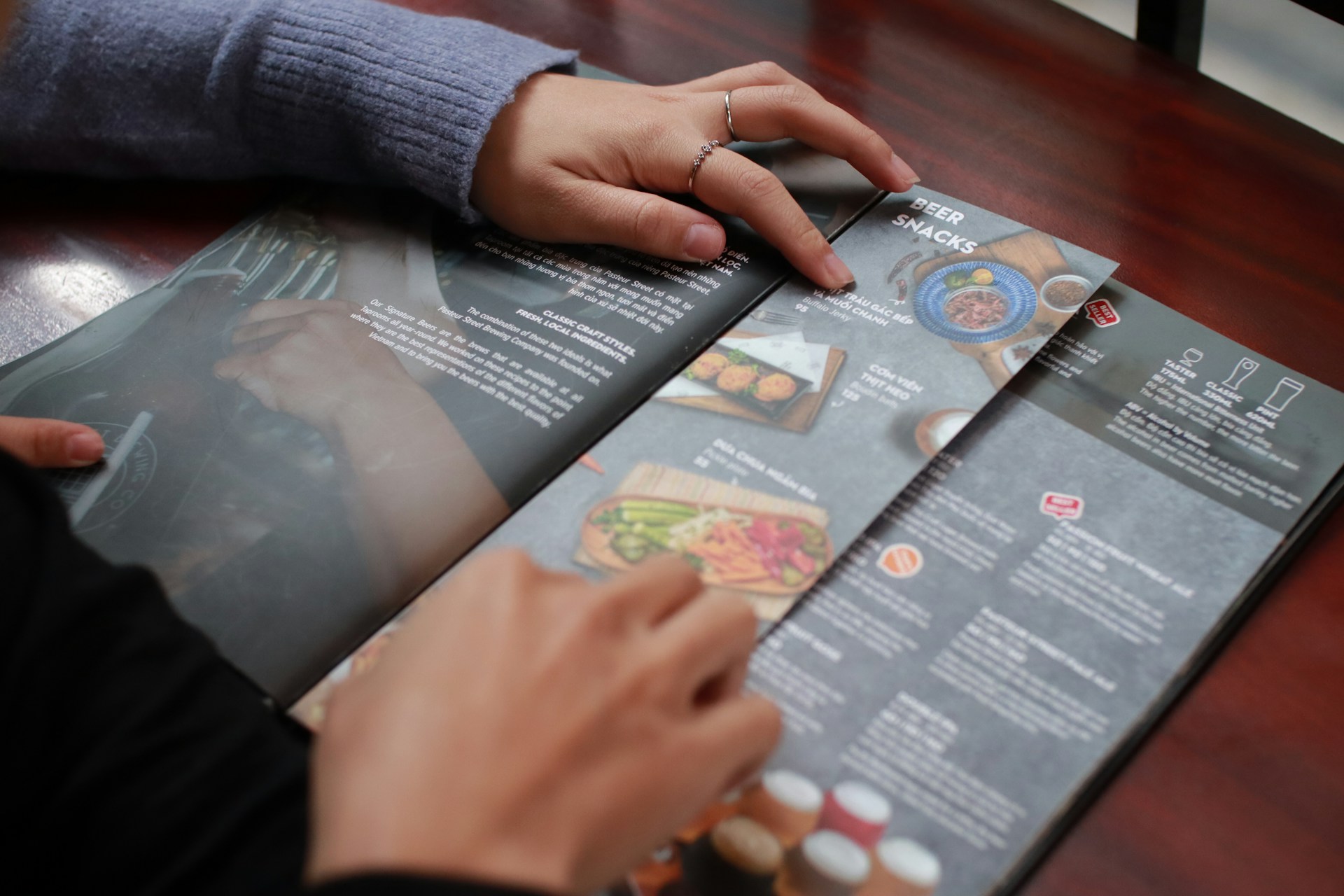
Your menu is a branding tool, not just a list of items. Highlight dishes that represent your personality. The classics, such as croquetas, gambas, or that standout tomato paella, can be the stars of your identity. Presentation matters too. Make each plate feel intentional and visually appealing. Describe your dishes in a way that sparks appetite without sounding too fancy. A sprinkle of humor or charm can make reading the menu fun instead of formal. Guests often remember dishes they laughed about before ordering. And if you have a signature item, let it shine. Build small rituals around it if possible—people love traditions tied to food.

Bold Visual Identity: Make Every Detail Count

Your visuals should echo the spirit of Spain without feeling like a theme park. Think warm textures, earthy colors, and touches of elegance. You don’t need flamenco dancers on the wallpaper for people to get the message. A few strong visual cues go a long way. Try mixing rustic inspirations with modern touches. Maybe soft lighting paired with handcrafted ceramic plates. Or a subtle splash of bold red against a muted background. Guests should feel something the moment they step in. Even small details like napkin patterns or handwritten menu boards add character that sets you apart.

Bold Community Engagement: Let Locals Join the Experience

Community involvement gives your brand staying power. Consider small events like tasting nights or themed dinners. Guests love participating in something special. It builds loyalty faster than flashy promotions. You can also get playful with social media—share behind-the-scenes moments, chef banter, or customer reactions to new dishes. Encourage guests to be part of the story. A photo corner with subtle Spanish flair or fun posts featuring dish nicknames can spark engagement naturally. Before long, people will associate your restaurant with something warm, fun, and consistent. If you shape your restaurant’s brand with intention and personality, you’ll give guests an experience they genuinely want to return to. And that’s the real recipe for food-business success.

The Importance of a Solid Marketing Plan for Business Growth

Every entrepreneur dreams of growing their business and making a mark in the industry. But without a clear roadmap, that dream can quickly turn into an uphill battle. The marketing plan is a vital tool for navigating the complex landscape of modern business. Think of it as your business’s blueprint. It outlines where you want to go and how to get there. In today’s fast-paced market, relying on intuition alone isn’t enough. A solid marketing plan not only helps define your goals but also provides strategies to achieve them effectively. Whether you’re launching a new product or trying to reach new customers, understanding the importance of a well-crafted marketing strategy is crucial for sustainable growth.

What Is a Marketing Plan?

A marketing plan is a strategic document that outlines your business’s overall approach to reaching potential customers. It details the specific tactics and methods you will use to promote your products or services. At its core, a marketing plan serves as a roadmap for achieving your business goals. It identifies target markets, defines key messaging, and sets measurable objectives. Furthermore, it encompasses various channels like social media, email campaigns, and traditional advertising. Each element plays a crucial role in creating cohesive branding efforts.

Why Is a Marketing Plan Essential for Business Growth?

A marketing plan serves as a roadmap for your business. It outlines the strategies you need to reach your target audience effectively. Without this guide, companies can easily lose direction. When businesses have a clear plan, they can allocate resources more efficiently. This ensures that time and money are spent on tactics that yield results. A well-crafted marketing plan helps in setting realistic goals and measuring success over time. Moreover, it fosters consistency across all marketing channels. Your brand message becomes cohesive, making it easier for customers to recognize and trust you. This trust is crucial in building long-term relationships with clients.

Key Components of an Effective Marketing Plan

An effective marketing plan has several key components that work together to drive success. First, clear objectives are vital. These should be specific, measurable, achievable, relevant, and time-bound (SMART). They provide direction and purpose for your efforts. Next comes the target audience analysis. Understanding who your ideal customers are shapes every aspect of your strategy from messaging to channel selection. A competitive analysis is essential as well. Knowing what competitors do allows you to identify gaps in the market and capitalize on them effectively.

The Role of Market Research in Developing a Marketing Plan

Market research is the backbone of any successful marketing plan. It provides essential insights into consumer behavior and preferences. Understanding what your target audience wants can shape your overall strategy. Gathering data through surveys, interviews, or focus groups offers a clearer picture of market trends. This information helps identify gaps in the market that your business can fill. Additionally, analyzing competitors gives you an edge. Knowing their strengths and weaknesses enables you to differentiate yourself effectively.

Implement and Evaluate Your Marketing Plan

Implementing your marketing plan is where the real action begins. It’s essential to communicate clearly with your team about their roles and responsibilities. Everyone should understand how they contribute to the overall strategy. Tracking performance metrics is crucial during this phase. Use analytics tools to monitor website traffic, social media engagement, and conversion rates. This data provides insights into what works and what doesn’t. Regularly schedule check-ins to evaluate progress. These meetings allow for adjustments based on current trends or unexpected challenges. Flexibility can make a significant difference in effectiveness. Encourage feedback from all levels of staff involved in execution. Fresh perspectives can reveal hidden opportunities or areas needing improvement that you might overlook.

Common Mistakes to Avoid in Creating a Marketing Plan

Creating a marketing plan is an essential step for any business, but there are several common pitfalls to avoid. One major mistake is failing to define clear goals. Vague objectives can lead to misaligned strategies and wasted resources. Another error involves neglecting the target audience. Without understanding who you’re trying to reach, crafting relevant messages becomes nearly impossible. Many businesses also overlook the importance of budgeting. Skimping on funds or not allocating them wisely can hinder execution and reduce impact.

In Conclusion

A strong marketing plan can serve as the backbone of your business strategy. It provides clarity and direction, helping you navigate the complexities of today’s competitive market. By clearly defining your target audience, setting measurable goals, and crafting effective messaging, you position your brand for success. Moreover, a solid marketing plan allows for better resource allocation. You’ll know where to invest time and budget for maximum impact. With ongoing evaluation and adjustments based on performance metrics, you stay flexible and responsive to market changes.